

In the Aktobe Region last year, ten cultural institutions underwent major repairs, and four new facilities were commissioned.
This was announced at a press conference at the Regional Communications Service by Altynay Yunisova, head of the regional Department of Culture, Archives, and Documentation, according to the press service of the regional akim (governor).
New culture houses have been opened in the Zhanakonys and Yesset Batyr residential areas. Additionally, a library began operating in the Shubarkuduk settlement of the Temir District, and a rural club was built in the Koktobe village of the Khromtau District.
As the speaker noted, in 2025, as part of the modernization of cultural infrastructure, major repairs covered ten facilities. Culture houses in the Shubarkuduk settlement and Kobda village were renovated, along with rural clubs in Kyzylsu village (Khromtau District) and Karaoy village (Oyil District). Significant reconstruction was carried out at the Regional Center of Folk Art. In Aktobe, City Library No. 2 named after A.S. Pushkin, Children's City Library No. 5 named after S. Marshak, and Model Library No. 6 were modernized. The rural club in Zhirenkopa village (Kobda District) and the District Culture House in the city of Alga were also refurbished. All work is aimed at creating modern and comfortable conditions for residents' creative self-fulfillment and expanding their access to cultural resources.
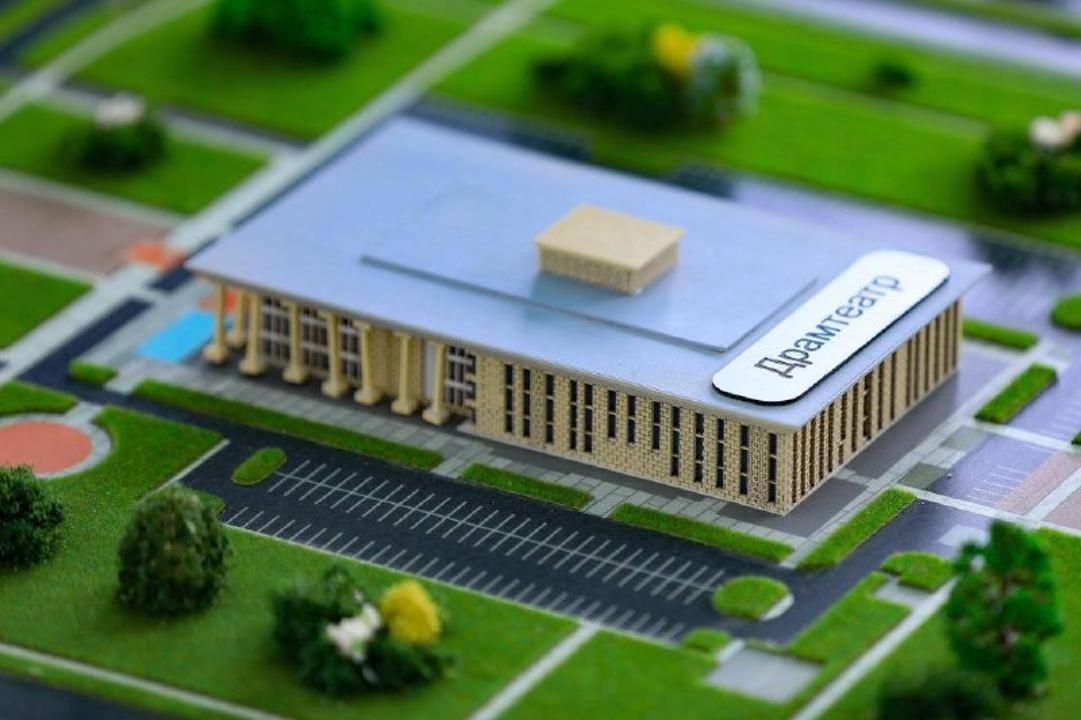
This year, the department intends to continue developing the sector. The implementation of four more construction projects is planned: the construction of a culture house in Karaulykeldy village (Baiganin District), a museum-archive in the city of Khromtau, a creative center in Kandyagash, and a music and drama theater in Aktobe. In addition, major repairs are planned for four more cultural facilities in the Mugalzhar, Kobda, and Alga districts.
The comprehensive measures being taken are focused on increasing the accessibility of cultural life, unlocking the creative potential of the population, and shaping a modern cultural environment in the region.
By Arlan EMIR
Comments powered by CComment