

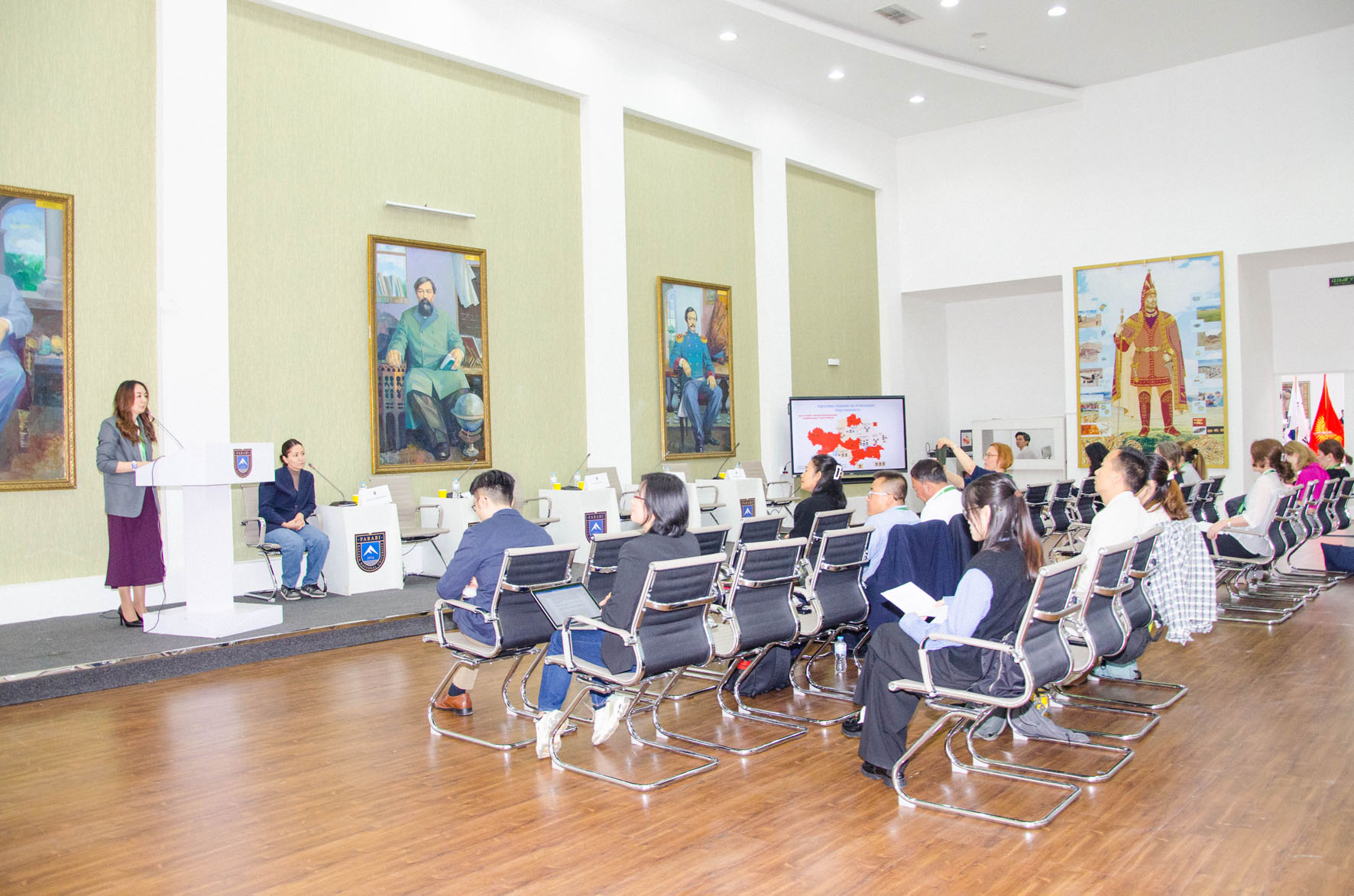
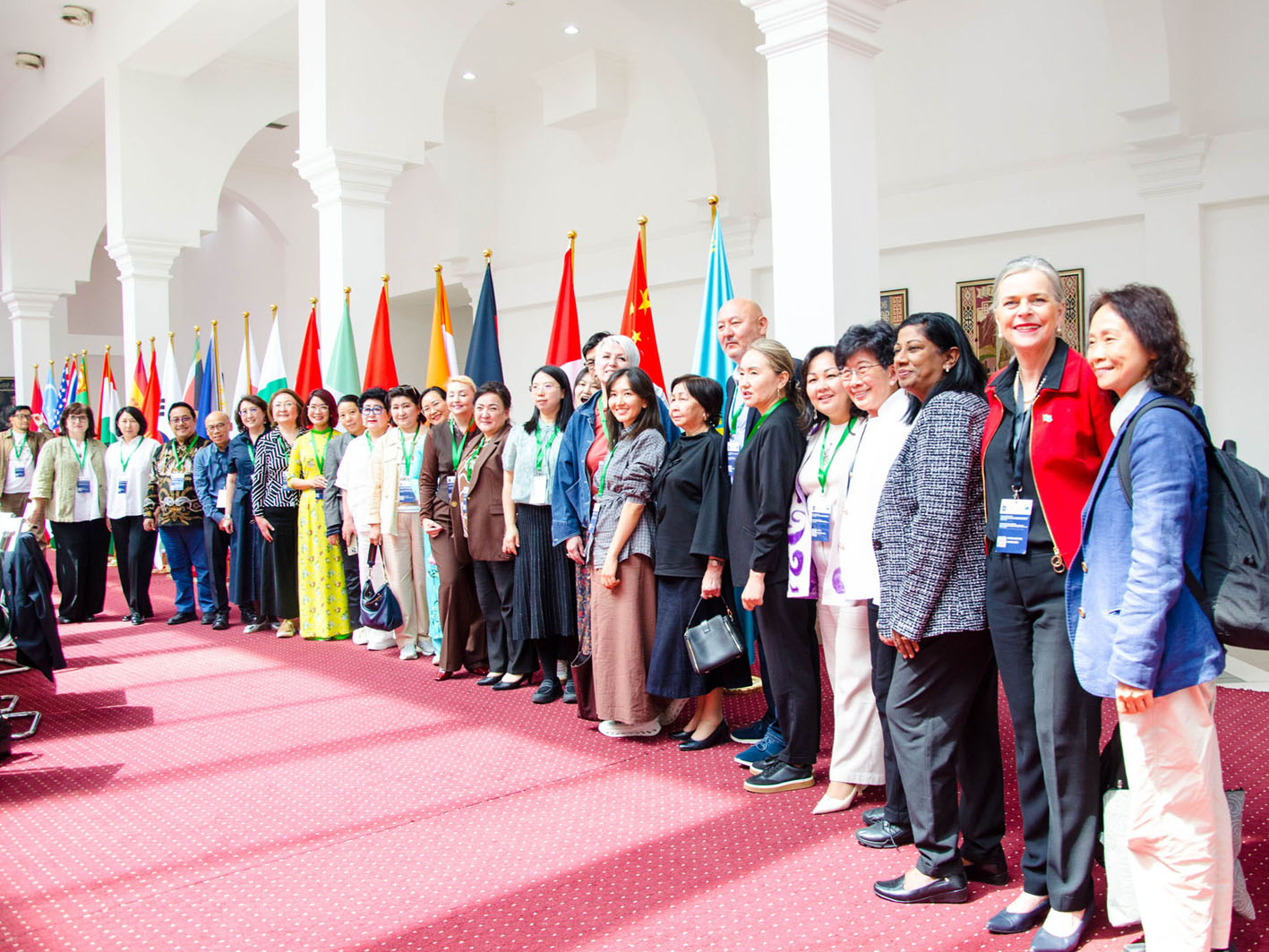
On May 4–5, 2026, Al-Farabi Kazakh National University hosted the international conference Social Work in Action, organized by the Faculty of Philosophy and Political Science and the Department of Sociology and Social Work. Participants included representatives from the International Association of Schools of Social Work, The Hong Kong Polytechnic University, and universities from Central Asia. The agenda was built around sustainable development, global standards, and the transformation of social work in the face of new risks and uncertainties.
Over the course of the conference, an important observation gradually emerged—one that was never stated directly but was felt throughout the logic of the discussions. Today, social work is increasingly described as a field with a well-established conceptual apparatus and robust analytical frameworks. Discussions take place at the level of refinements and alignments, not at the level of basic definitions. This creates a sense of a discipline that has reached a high degree of conceptual maturity.
At the same time, the theme of context is constantly present in the conversation. It does not arise as a separate issue but rather as a backdrop against which nearly every discussion is refracted. Global standards, educational models, and intervention practices—all of them are inevitably related to specific social environments, cultural norms, and institutional configurations. In this sense, social work emerges as a field where universal solutions constantly encounter the need for local adaptation.
This is especially evident in topics related to access to care and the interaction between individuals and support systems. Even when well-developed approaches and tools exist, the discussion inevitably returns to the question of how exactly these tools “enter” real life. Attention shifts from the content of assistance to the conditions for its possible realization—trust, visibility, and the intelligibility of the help-seeking process itself.
In this context, what is striking is not so much the differences between countries but the similarity of the questions raised across different reports. Regardless of the research tradition or national context, discussions often converge on a single point: social work exists not only as a professional practice but also as a form of interaction between people and institutional environments. And it is this interaction that largely determines its actual configuration.
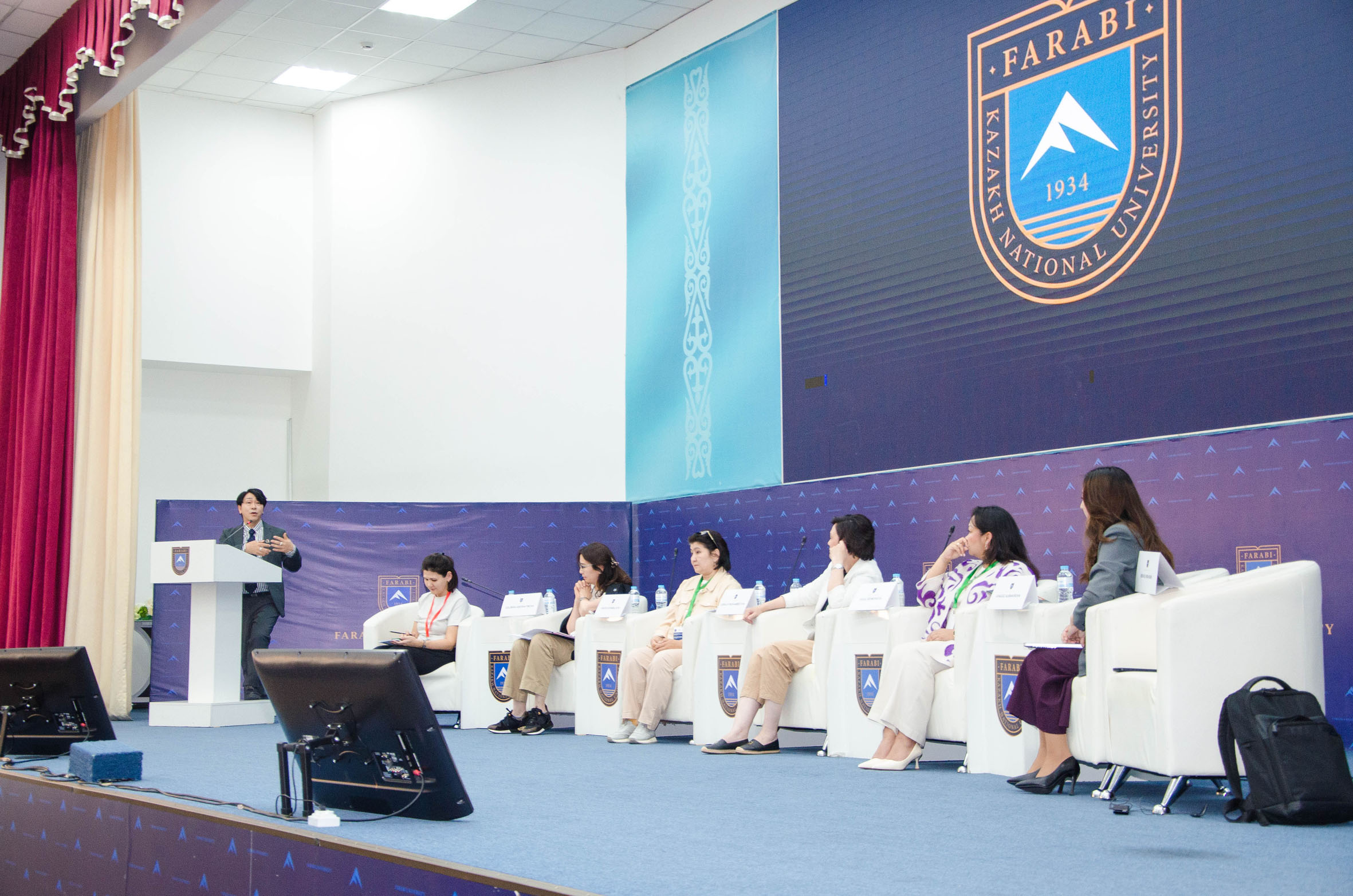
My own presentation addressed issues of safety and accessibility of social support. The discussion showed that these topics are perceived not as narrow or specialized but as touching on a broader range of issues related to everyday experience and behavioral strategies. Questions from the audience focused less on the content of the proposed solutions and more on the conditions of their application and their resilience in real-world environments.
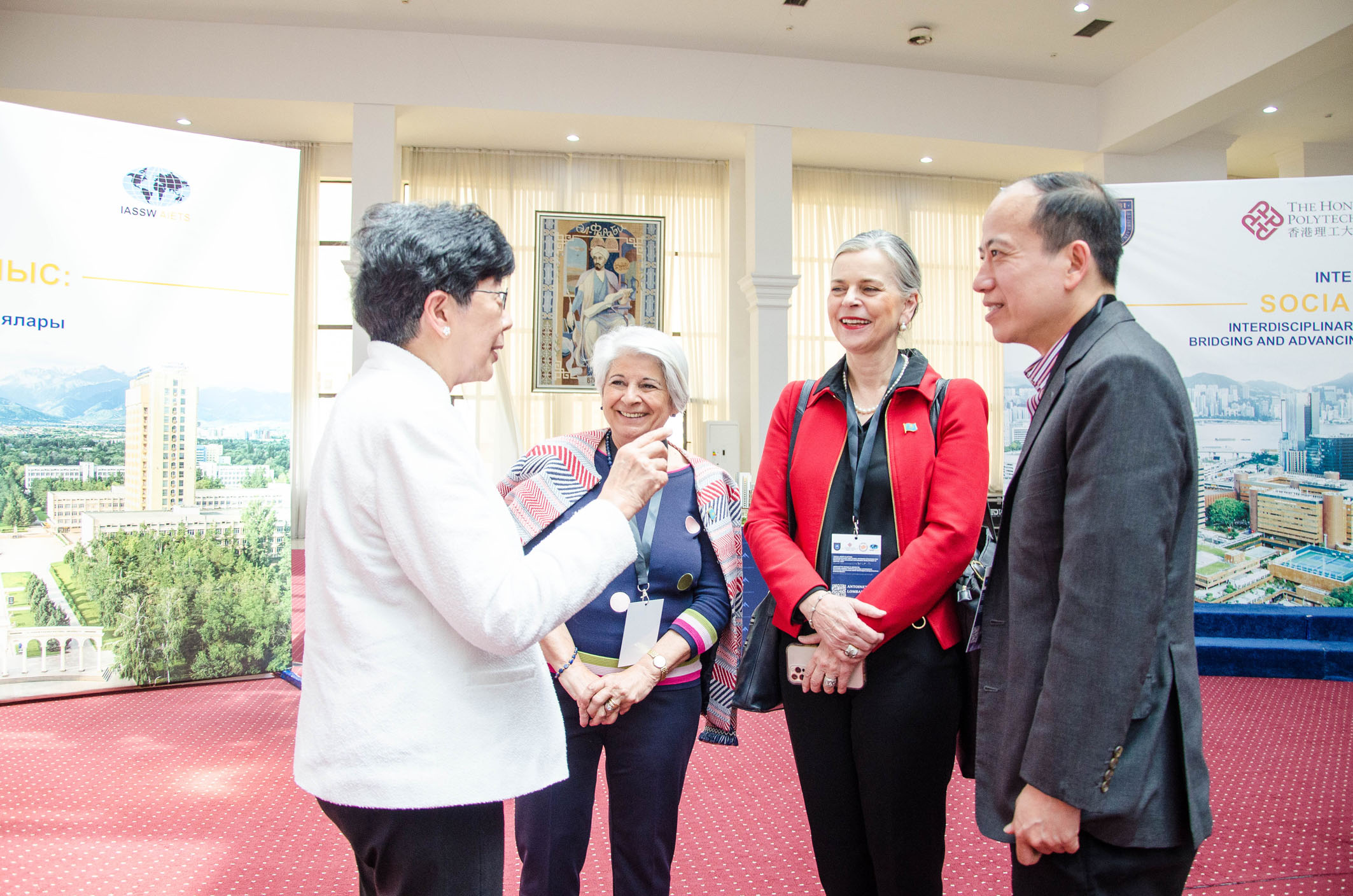
Thus, what emerges from the conference is not so much a conclusion as a refinement of perspective. Social work is increasingly manifesting as a field where theoretical development and practical implementation are in constant interaction. This interaction does not always align in pace or form, but it is precisely within it that the current state of the discipline takes shape.
Perhaps this is why conferences like this are of interest not only as platforms for knowledge exchange but also as spaces where the very process of social work’s formation as a coherent field becomes visible.
Ainur BAKYTZHANOVA,
sociologist
Photo: Galiya KALIYEVA
Comments powered by CComment