

In the first five months of this year, 248 criminal cases related to stalking were registered in Kazakhstan. However, only one-third of them reached court. The rest were discontinued, either due to reconciliation of the parties or due to the absence of a criminal offense.
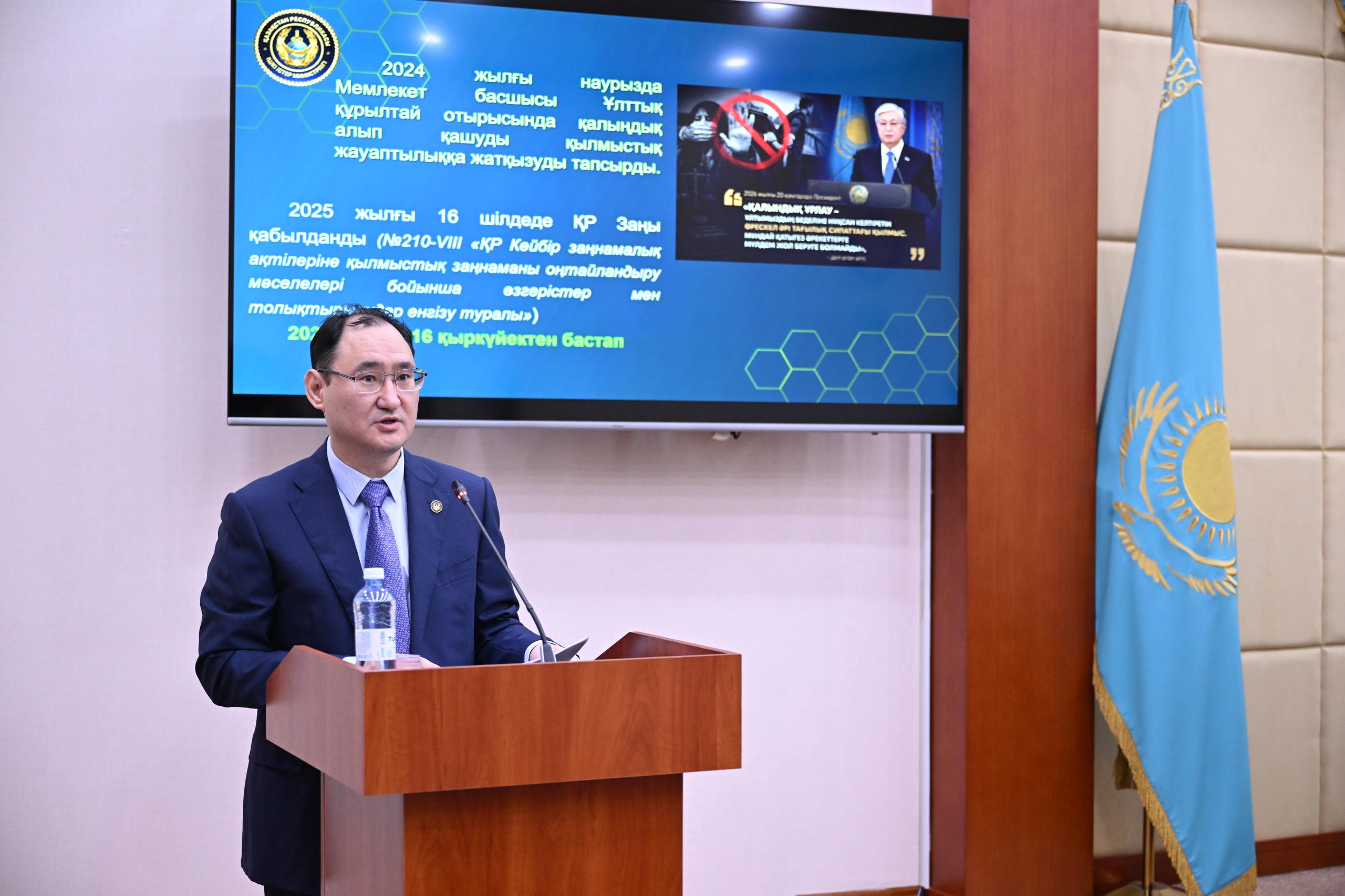
These figures were announced during a round table in the Majilis, where deputies, representatives of the Ministry of Internal Affairs (MIA), human rights defenders, and lawyers discussed how the new articles of the Criminal Code on stalking and forced marriage are working.
It should be recalled that criminal liability for these acts was introduced last year. At the time, the changes were hailed as an important step towards protecting citizens from psychological pressure, harassment, and coercion. Today, however, the discussion is no longer so much about the law itself, but rather about how it is being applied in practice.
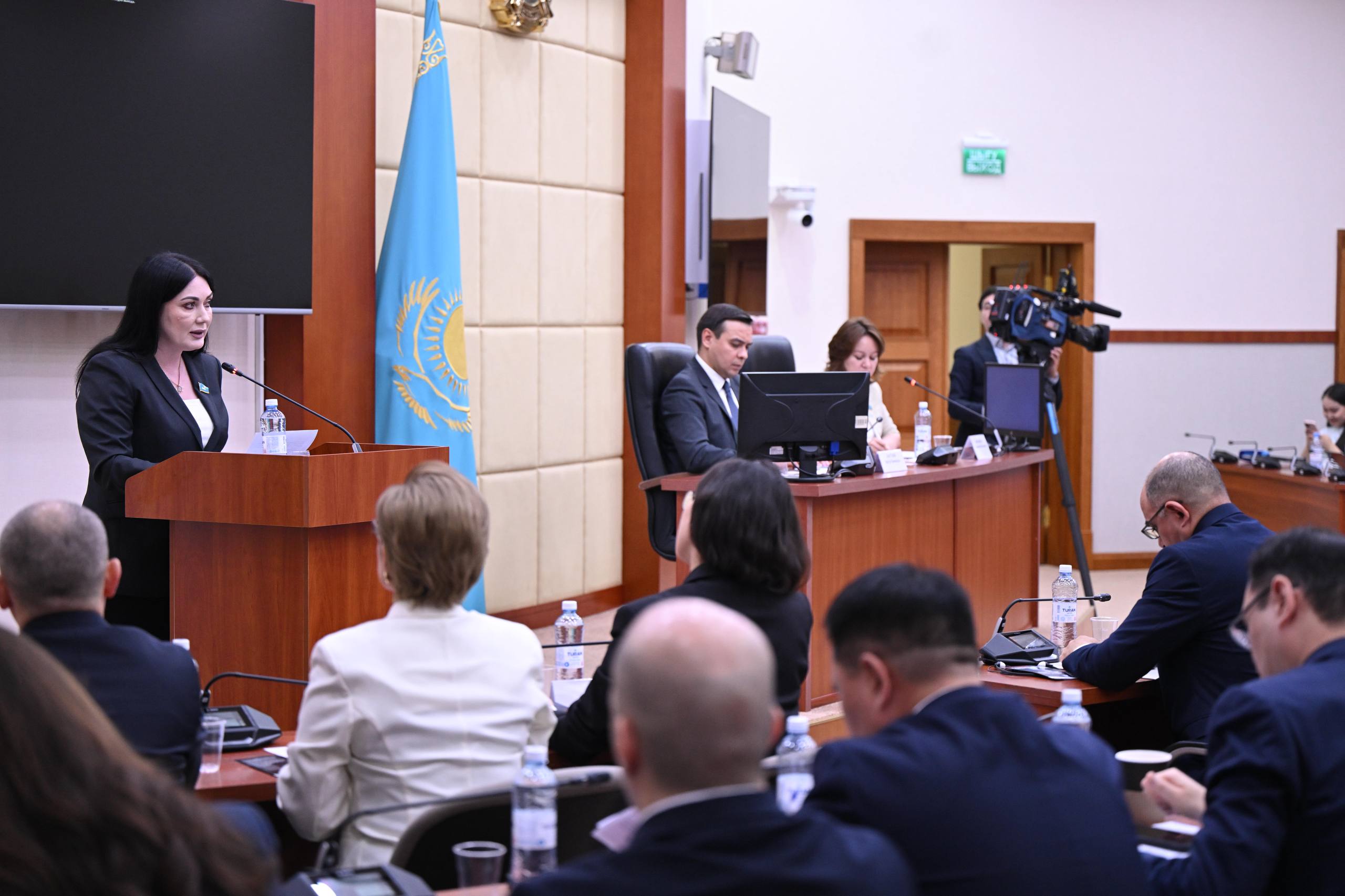
Opening the meeting, Snezhanna Imasheva, Chairperson of the Majilis Committee on Legislation and Judicial-Legal Reform, noted that the new provisions have proven to be in demand. She stated that the number of registered cases speaks to this.
"In the first five months of this year, 248 criminal cases were registered for stalking. A final procedural decision has been made on 204 of them – 82 percent. Eighty-three criminal cases have been sent to court, 22 have been terminated on non-exonerating grounds, that is, due to reconciliation of the parties. One hundred and one cases have been terminated on exonerating grounds, that is, due to the absence of a criminal offense," the deputy reported.
As the deputy noted, the high level of registration of such cases shows that the article on stalking meets an existing public demand. However, the quality of its application can only be assessed after sufficient law enforcement practice has accumulated.
In turn, Amangeldi Doszhanov, Deputy Head of the Investigative Department of the MIA, spoke about how the practice of investigating this category of cases is developing. According to him, investigative bodies continue to develop approaches to applying the new articles.
"To date, 83 criminal cases on stalking have been sent to court. For forced marriage – 12 cases. For each case, we promptly initiate a criminal investigation and thoroughly verify all circumstances," he noted.
According to the MIA representative, some cases are discontinued after verifying the circumstances. This situation often arises from reports of bride kidnapping.
For instance, as the speaker reported, relatives often contact law enforcement regarding bride kidnapping, and the police take immediate action. However, he explained, if the investigation establishes that the parties acted by mutual consent and there were no facts of coercion, such cases are not sent to court.
The Human Rights Commissioner of the Republic of Kazakhstan, Artur Lastayev, reminded attendees why such provisions appeared in criminal legislation. According to him, the issue of introducing liability for forced marriage was raised back in 2023. Both Kazakhstani human rights defenders and international organizations, including relevant UN committees, had drawn attention to the problem.
Artur Lastayev recalled the position of the President of Kazakhstan, expressed at the National Kurultai, regarding the inadmissibility of bride kidnapping.
"Liability is provided not only for bride kidnapping but also for any other forms of forced marriage – threats of violence, destruction of property, blackmail," the Ombudsperson noted.
According to him, the fact that the law protects both women and men from coercion was also a fundamental decision.
Meanwhile, the MIA is already speaking about the need to introduce changes. As reported by Sanzhar Adilov, Deputy Minister of Internal Affairs, the current punishment does not always stop stalkers.
"There is a case in the Almaty region where, after conviction, individuals who engaged in stalking continued their criminal acts," he said.
In this regard, the ministry proposes introducing the qualifying feature of "repeated commission" and reclassifying stalking as a medium-gravity crime. If the amendments are adopted, the maximum sentence could increase to five years' imprisonment.
Speaking about the prevention of violence against women, Sanzhar Adilov cited statistics showing the scale of law enforcement efforts.
"Work on the prevention and suppression of offenses against women has been significantly strengthened. More than 41,000 offenders have been brought to administrative responsibility, and over 11,000 have been subjected to administrative arrest," the Deputy Minister reported.
According to MIA data, more than 35,000 protection orders were issued during this period, and courts established special behavioral requirements for 9,200 aggressors. Of these, 8,300 offenders were prohibited from consuming alcohol. Another new measure was the prohibition on approaching victims. Today, such restrictions apply to 49 individuals.
In the legal community, there is a belief that the development of legislation is only beginning at this stage. Asel Tokayeva, Chairperson of the Disciplinary Commission of the Bar Association of the Republican Bar Association, noted that the article on stalking does not fully cover such forms as cyberstalking, harassment using digital technologies, psychological pressure through third parties, and other modern methods of influence. In this regard, the lawyer proposed supplementing the article with qualifying features, including the commission of the act by a group of persons, the use of information and communication technologies, threats of violence, blackmail, and other forms of significant psychological pressure. In her opinion, this would increase the effectiveness of prevention and prevent harassment from escalating into more serious crimes.
Speaking about the article on forced marriage, Asel Tokayeva noted that its adoption was a logical step, since the problem remains relevant in certain regions of the country. Alongside legislative measures, the lawyer believes, information and explanatory work, the development of victim protection mechanisms, and the consistent application of the new norms in practice are necessary.
By Linara SAKTAGANOVA
Astana
Comments powered by CComment