

The training of qualified personnel for the judicial system is one of the key priorities of the Department of the Judicial Administration of Almaty. Particular attention is paid to working with young people, as it is today's university graduates who will, in the near future, shape the human resources capacity of state bodies.
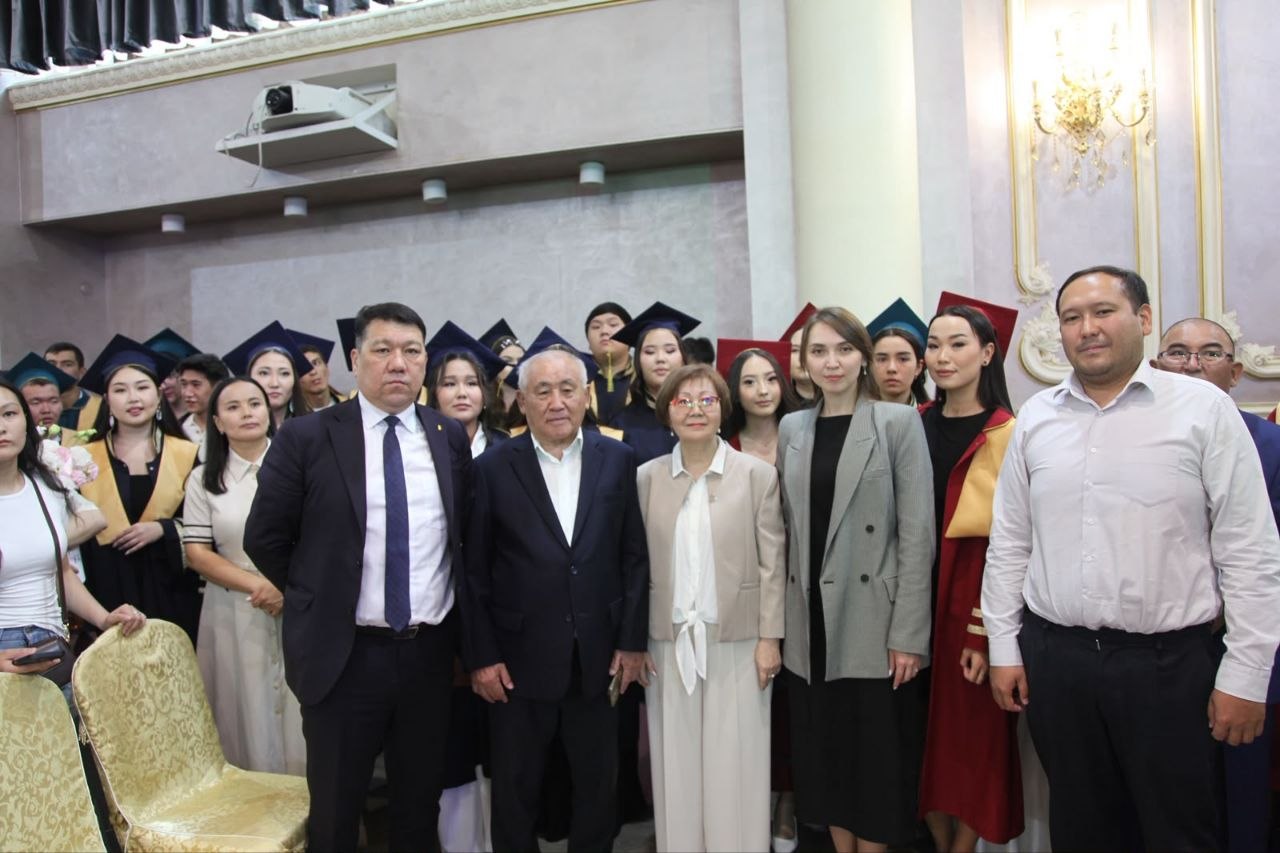
In the past month alone, the Human Resources Division of the Department has held over 13 meetings with students from the country's leading higher education institutions. Issues concerning the attraction of young professionals to the judicial system and assistance with graduate employment were discussed with the management of Al-Farabi Kazakh National University and the Public Institution "Centre for Employment and Labour Mobility." These opportunities are provided through state programmes such as "Youth Internship," "Public Works," and other tangible mechanisms supporting graduate employment initiatives.
One of the significant outcomes of this work was the signing of a trilateral memorandum between the Department of the Judicial Administration of Almaty, the Public Institution "Centre for Employment and Labour Mobility," and Al-Farabi Kazakh National University. The document provides for the establishment of information offices for employment placement within universities, as a new form of interaction between the higher education system and the judicial authorities.
As part of the memorandum's implementation, specialised information offices have been opened at the universities, where materials on the activities of the judicial system, the specifics of civil service, available vacancies, and prospects for professional development and career advancement in the country's courts are made available in electronic format.
The implementation of this initiative makes it possible to develop a systematic approach to staff selection, to attract graduates to temporary employment programmes in a timely manner, even before competitive procedures are announced, and to ensure the replenishment of the judicial system's talent pool. Equally important is the retention of specialised professionals and the reduction of their outflow to other sectors of the economy.
This is precisely why, when recruiting staff, special attention is given to young professionals who have recently completed their studies. Graduates possess up‑to‑date knowledge, a drive for professional development, and a willingness to acquire specialisations aligned with their training. Many of them are at a crossroads in choosing their professional path, and it is during this period that it is especially important to familiarise them with the opportunities offered by public service.
Obtaining a diploma opens up a wide range of professional opportunities for a young person. And for every qualified graduate, it is crucial not only to fulfil their personal potential in choosing a future career, but also to contribute to society and the state. This is precisely the opportunity that public service provides – a path through which young people can distinguish themselves in a field of socially significant work.
During meetings with graduates, representatives of the city court's Human Resources Division provide detailed information on the specifics of civil service, career advancement prospects, legal requirements, as well as the rights and obligations of civil servants. To help understand the intricacies of working in the judiciary, these meetings often feature representatives of the judiciary. The Chairman of the Specialised Interdistrict Court for Juvenile Cases of Almaty, Yergali Ubigaliyev, frequently takes part in such discussions.
Through explanations of the provisions of the legislation of the Republic of Kazakhstan, candidates for public service learn about all the established qualification requirements and selection criteria. Particular emphasis is placed on the key advantages of civil service: the opportunity to begin a professional career immediately after graduating from a higher education institution; stable employment and social guarantees provided by law; career advancement based on professional achievements and performance results; and the opportunity for professional development and training at the state's expense.
There is also the opportunity to participate in the implementation of state programmes and the development of the judicial system. By working within the judicial system, a civil servant embraces the mission of serving society and ensuring the protection of the rights and legitimate interests of citizens.
At the same time, this entails a high degree of responsibility and compliance with the restrictions established by law. Civil servants are required to submit annual declarations of income and assets, and must adhere to the requirements of anti‑corruption legislation, standards of professional ethics, and the principles of integrity.
All of these aspects are discussed in detail during the meetings, in order to provide young people from the outset with a realistic understanding of the procedures for entering public service. Indeed, one sometimes encounters the perception that employment in state bodies is a complex and opaque process. Through firsthand accounts from Human Resources representatives, many learn about modern selection mechanisms, which have become more transparent, objective, and accessible.
In fact, competitive selection for administrative civil service is today as digitalised as possible. Candidates undergo testing and complete practical tasks in electronic format, with results assessed by authorised persons without disclosure of participants' personal data, thereby ensuring objectivity and eliminating the influence of subjective factors.
I would like to express particular gratitude to the Dean of the Faculty of Law at Al‑Farabi Kazakh National University, Ualikhan Akhatov, and to the Director of the Kunayev College, Raikhan Bulekbayeva, for their active assistance in career guidance and the training of future legal professionals. Their work is evident not only in ensuring high‑quality legal education but also in actively facilitating the professional development and employment of graduates, including in public service. Such a committed and proactive approach helps strengthen the ties between the education system and state bodies, ensuring the preparation of competent and sought‑after specialists.
Today's judicial system strives to attract proactive, well‑trained and motivated young professionals. This is precisely why engagement with higher education institutions, the development of new forms of career guidance work, and the creation of effective mechanisms for attracting graduates are among the top priorities of the Human Resources policy of the Department of the Judicial Administration.
Madina TAZHIGULOVA
Head of the Human Resources Division,
Department of the Judicial Administration of Almaty
Comments powered by CComment