

On January 25, 1999, the Second Congress of Judges of the Republic of Kazakhstan was held in Almaty. Its historic mission was to mark the transition from the institutional formation of the judicial community to a substantive reform of the judicial system, with an emphasis on its independence, specialization, and openness to society.
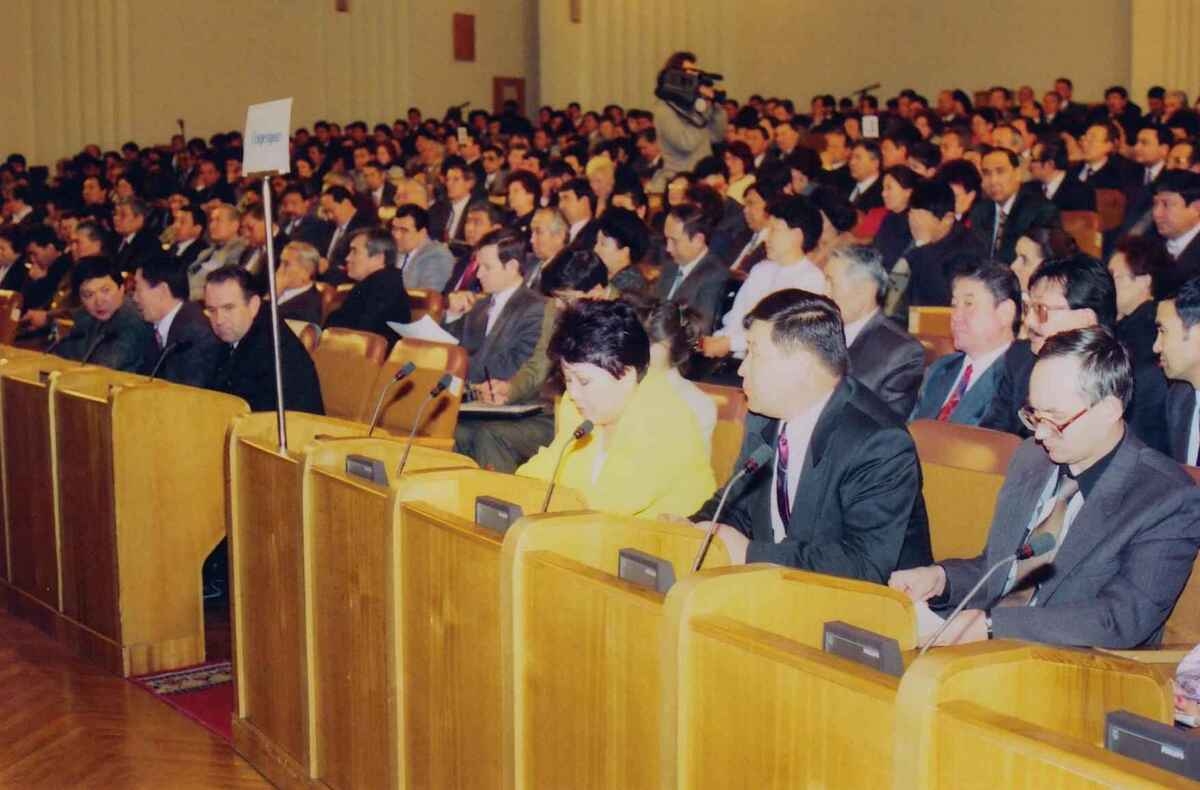
Overall, those were the years when the foundations of the judicial community were being laid. The First Congress, held in 1996, became a starting point in the history of uniting the country's judiciary, establishing the groundwork for judicial self-organization and creating the public association "Union of Judges of the Republic of Kazakhstan."
Against the backdrop of large-scale economic and social transformations taking place in the country at that time, the congress delegates identified the priority areas for the judicial system: ensuring social guarantees for the independence of courts, enhancing the authority and professional level of judges. Even at this stage, the need to adopt a Code of Judicial Ethics was raised – a document intended to serve as a moral and ethical guide for members of the judiciary.
Each Congress of Judges has its own significance and place in history. Thus, the Second Congress became an important step toward ensuring openness and transparency in judicial appointments. The idea voiced at the congress of publicly publishing candidate lists subsequently gained real status as a functioning mechanism, enabling the public to comprehensively assess the personal and professional qualities of applicants for judicial positions.
Having consolidated the organizational foundations of the Union of Judges laid down at the First Congress, the forum delegates went further, outlining strategic directions for reform – from the administrative independence of courts to the transparency of personnel procedures.
The congress featured a keynote address by the Chairman of the Supreme Court of the Republic of Kazakhstan, M. Narikbayev, who drew the judges' attention to the observance of the rule of law in fulfilling "our most fundamental and almost sole judicial task – the administration of justice. As the Head of our State recently noted, we do not need revolutions," the speaker remarked.
– Each of us in our respective place must attend to concrete matters. Especially in matters of strengthening judicial power and creating legal guarantees for the genuine independence of judges in adjudicating specific cases – in my conviction, a great deal has already been accomplished in our country. Of course, we must not forget that not through revolutionary means, but gradually, through an in-depth analysis of both judicial practice and legal scholarship, substantial work is being carried out in our country to further reform the judicial and legal system, – emphasized M.S. Narikbayev.
Active legislative work in the country was noted: draft laws on amendments and additions to the Criminal Code and the Criminal Procedure Code were prepared, as well as the Presidential Decree having the force of constitutional law "On Courts and the Status of Judges in the Republic of Kazakhstan." A draft of the new Civil Procedure Code and other legislative acts was under consideration in Parliament.
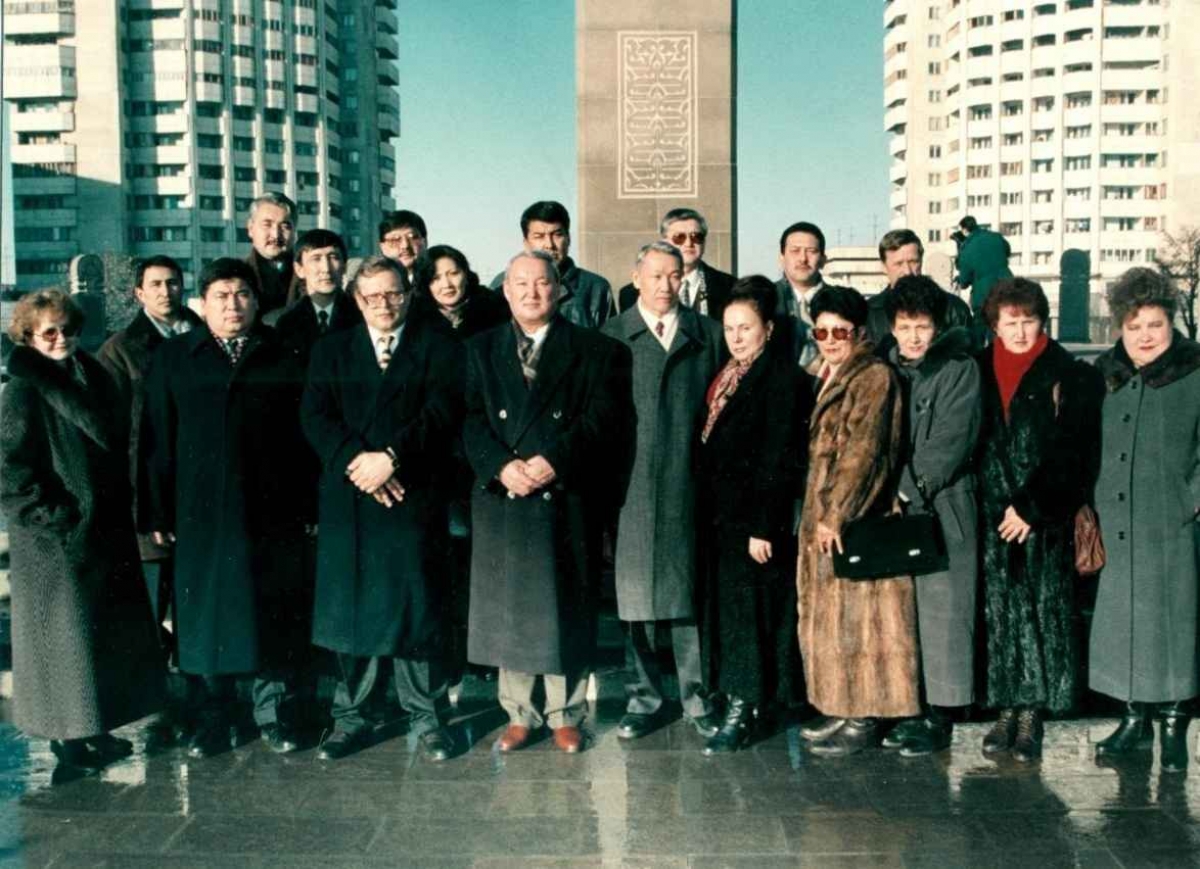
The head of the highest judicial body cited a number of indicators for 1998, referencing data from the Center for Legal Statistics and Information under the Prosecutor General's Office. During this period, the republic's courts convicted 58,394 individuals. Higher judicial instances reviewed 15,118 sentences in cassation and supervisory proceedings, of which 1,904 were overturned, while 10,988 were left unchanged. Sentences were modified with reduced punishment but unchanged qualification in 980 cases, with changed qualification in 937 cases, and with changed amount or type of punishment in 309 cases. Of the total number brought to trial, 282 individuals were acquitted.
According to statistical data from the Criminal Cases Judicial Collegium of the Supreme Court of the Republic of Kazakhstan, 719 criminal cases involving 1,283 individuals were reviewed in cassation proceedings in 1998, including 208 cases based on private protests and complaints. The figures show that the number of cassation cases reviewed decreased by 136 compared to 1997.
A number of regions were cited where an increase was observed in the number of individuals whose judicial decisions were appealed: in Karaganda (171 individuals versus 125 in 1997), Pavlodar (110 versus 62), Aktobe (98 versus 44), West Kazakhstan (63 versus 43), Akmola (63 versus 44), Atyrau (40 versus 30), and Zhambyl (90 versus 84) regional courts.
In addition, the Chairman of the Supreme Court and delegates who spoke in the debates addressed other pressing areas of the judicial community's work.
The discussion was dominated by issues concerning the judiciary's activities in upholding the rule of law in the administration of justice, enhancing the prestige and authority of the judicial branch, ensuring genuine judicial independence, and fostering judicial personnel in the spirit of integrity, fairness, and honesty. The forum also outlined ways to ensure the professional growth of judges, the unconditional compliance by each of them with the requirements of the Constitution and laws, as well as the elimination of cases of negligent attitude toward official duties. Rogov, Advisor to the President of the Republic of Kazakhstan, on behalf of the Head of State, delivered a welcoming address to the congress participants, emphasizing that the judicial and legal reform in Kazakhstan had reached its five-year mark. At that time, a need arose to introduce amendments to the Constitution of the Republic of Kazakhstan regarding the powers of the Ministry of Justice over the judiciary. A proposal was made to ensure transparency in judicial appointments and to publish the list of judicial candidates in the mass media.
According to the congress materials, the address proposed discussing the appointment of judges for the first time not on a permanent basis, but for fixed terms depending on length of service. Concerns were raised among judges about issuing acquittals. It was suggested that when addressing the liability of judges for passing an unjustified acquittal in criminal cases, consideration should also be given to holding prosecutors and internal affairs officers accountable for improper investigation. A mechanism was needed that would also prevent corruption offenses.
At that time, the judicial system had to address issues such as the logistical and technical support of courts, with the transfer of these functions from the Ministry of Justice to the Committee on Judicial Administration under the Supreme Court. This was a fundamentally important step toward ensuring genuine independence of the judicial system. Subsequently, this idea was realized through the creation of a corresponding judicial administration body.
The congress also gave impetus to the development of court specialization – a direction that later led to the creation of economic, administrative, and other specialized judicial panels.
An important decision was the legislative codification of the status of judges through the adoption of the Constitutional Law "On the Judicial System and the Status of Judges of the Republic of Kazakhstan," which was issued on December 25, 2000, becoming a foundational document that defined the structure of the judicial branch for decades to come.
One of the key documents of the congress was a resolution on introducing amendments and additions to the Charter of the Republican Public Association "Union of Judges of the Republic of Kazakhstan." A new composition of the executive bodies of the judicial community was elected. At the First Congress, Maksut Narikbayev was elected Chairman of the Union of Judges of the Republic of Kazakhstan and Chairman of the Central Council, with Alexander Rekin as Executive Secretary. By the time of the Second Congress, M.S. Narikbayev held the position of Chairman of the Supreme Court of the Republic of Kazakhstan (a post he occupied from 1996 to 2000). Accordingly, upon his proposal, the composition of the Union's executive body was re-elected. Three candidates were proposed to the delegates, and by a majority vote, S. Baybatyrov was elected Chairman of the Union of Judges, having led the public association twice – from January 1999 to February 2001 and from November 2013 to September 2016.
Throughout their history, the Congresses of Judges of Kazakhstan have evolved from constituent assemblies to authoritative forums that determine the strategy for the development of justice. Each congress not only took stock of the completed stage but also set new, more complex tasks for the judiciary. From professional consolidation and the establishment of the first ethical norms in the 1990s to the creation of administrative justice, specialized cassation courts, and the introduction of advanced digital standards. This evolution reflects the country's overall path toward building a rule-of-law state.
Asem SAKENOVA
Comments powered by CComment