

Domestic violence in modern society represents a complex socio-legal phenomenon encompassing physical, psychological, economic, and sexual abuse inflicted upon family or household members. To protect the rights and interests of victims, the Law of the Republic of Kazakhstan "On the Prevention of Domestic Violence" was adopted in 2009, establishing legal instruments for the prevention, suppression, and punishment of such acts. Subsequently, in 2025, the Law of the Republic of Kazakhstan "On the Prevention of Offenses" was adopted, entering into force on March 2, 2026. Alongside general provisions on offenses, this law also includes norms regulating family and domestic relations, including issues of domestic violence. Consequently, the previous Law "On the Prevention of Domestic Violence" has become invalid. Thus, the legislation of the Republic of Kazakhstan demonstrates progressive development and a commitment to the systematization of legal norms.
However, the effectiveness of legislation is determined not only by its normative structure but also by the existence of effective mechanisms for practical implementation, as well as the competence of the subjects of legal relations — law enforcement agencies, courts, social services, and legal advisors.
Thus, the legal framework for combating domestic violence in Kazakhstan has undergone significant changes, reflecting the state's commitment to modernizing and unifying its legislation. However, practice shows that the existence of a law alone does not guarantee a reduction in the level of domestic violence. Difficulties arise in its implementation: insufficient public awareness of their rights, limited resources of social services, a formal approach by law enforcement agencies to issuing protection orders, and weak coordination among various prevention actors. An important condition for effectiveness remains not only the improvement of the regulatory framework but also the development of interagency cooperation mechanisms, the enhancement of specialist qualifications, and the cultivation of public intolerance toward all forms of violence.
LEGAL AND REGULATORY FRAMEWORK AND IMPLEMENTATION MECHANISMS
The legislature establishes a number of specific legal protection measures for victims:
- Protection Order (Article 60) – In order to ensure the safety of the victim when there are no grounds for administrative detention, employees of territorial police bodies issue a protection order. The protection order prohibits the commission of violence, and against the will of the victim, prohibits searching for, pursuing, visiting the victim, conducting oral or telephone conversations, or entering into contact with the victim by other means, including with minor and/or incapacitated family members of the victim. The protection order remains in effect for thirty days from the moment it is served to the person against whom it is issued.
- Establishment of Special Conduct Requirements for the Offender (Article 61) – The court may establish special conduct requirements for the offender to prevent the commission of further offenses by this individual. This is a measure of criminal or administrative legal action through which the court may restrict the aggressor's contact with the victim and prohibit approaching the victim's place of residence, study, or work.
- Establishment of Special Conduct Requirements for a Person Who Has Committed an Administrative Offense in the Sphere of Family and Domestic Relations – For the protection and defense of the victim and their family members, the court, in exceptional cases, has the right to apply, for a period of up to thirty days, an administrative-legal measure in the form of prohibiting the person who committed domestic violence from residing in the same dwelling as the victim (Clause 2, Article 54 of the Administrative Offenses Code of the Republic of Kazakhstan). This restriction is applied in cases where there is a threat to life or health, allowing for the rapid creation of safe conditions for the victim.
- Establishment of Special Conduct Requirements for a Person Who Has Committed an Administrative Offense in the Sphere of Family and Domestic Relations – The court has the right to order measures for the provision of psychological assistance (Article 69). Such assistance is provided both to persons prone to committing offenses and to victims, and is aimed at preventing and resolving psychological problems, developing self-control and emotional management skills, as well as overcoming crisis situations and their consequences. It contributes to maintaining mental and somatic health, optimizing mental development, social adaptation, and improving quality of life, ultimately fostering law-abiding behavior.
The duration of special conduct requirements established by the court may range from three months to one year.
- It should also be noted that one of the most common forms of assistance is victims seeking help from social services (Article 72). By-laws of authorized bodies detail the procedure for submitting applications and the forms of support provided, including temporary shelter and social assistance. An important element of this work remains ensuring the accessibility of these services and informing citizens about how to access them, which increases the effectiveness of protecting victims' rights and strengthens public trust in social support institutions.
Practice shows that these measures are most effective when victims seek help promptly and correctly.
ANALYSIS OF LEGAL PRACTICE
Judicial practice in applying the law demonstrates several key trends:
- The effectiveness of protective measures is largely determined by the correctness of documentation and the timeliness of the victim's appeal;
- The evidentiary base is critically important, especially in cases of psychological and economic violence, which are difficult to substantiate without written or audiovisual materials;
- Institutional coordination between courts, law enforcement, and social agencies directly affects the speed of applying protective measures.
Positive cases show that competent interaction with lawyers and social services can minimize the risk of repeat violence and provide sustainable legal protection.
IMPLEMENTATION PROBLEMS
Despite the existence of formal mechanisms, practice reveals a number of problems:
- Insufficient public awareness of their rights and the procedures for seeking protection;
- Difficulty in proving non-material forms of violence, especially psychological and economic violence, which reduces the effectiveness of protective measures;
- Procedural delays in courts and law enforcement agencies, which lengthen the time to obtain protection;
- Errors in the preparation of applications and motions, leading to the rejection of the case or delays in its consideration.
These problems indicate the need for further standardization of procedures and increased legal literacy of both citizens and specialists involved in implementing the law.
PRACTICAL RECOMMENDATIONS
Based on the analysis of legislation and judicial practice, the following recommendations can be identified:
- Ensuring a comprehensive approach that includes both legal protection and social support for victims;
- Systematically improving citizens' legal literacy through educational programs and information campaigns;
- Developing standardized procedures for evidence collection and documentation for courts and law enforcement agencies;
- Consulting with qualified lawyers who have practical experience in handling domestic violence cases;
- Considering the possibility of establishing domestic violence as a separate crime in the Criminal Code of the Republic of Kazakhstan, which would improve responses to such crimes, ensure specialized training for police, prosecutors, and judges, and enhance the level of protection and safety for victims.
Furthermore, it is important to develop interagency cooperation between law enforcement agencies, courts, and social services, as well as to expand the network of crisis centers and psychological assistance programs. Such a comprehensive approach will not only improve the effectiveness of law enforcement practice but also foster a sustained public intolerance toward all forms of violence.
The Law "On the Prevention of Offenses" has become an important stage in the development of legal regulation in the sphere of family and domestic relations, providing significant protection mechanisms for victims. However, practice shows that the effectiveness of these mechanisms largely depends on the quality of their implementation, overcoming procedural and organizational difficulties, and the level of legal culture in society.
Establishing domestic violence as a separate crime, increasing public awareness, unifying procedural procedures, and strengthening interagency coordination can significantly strengthen the system of protecting the rights and interests of victims. An important direction remains the development of a network of social services and crisis centers, as well as the training of specialists capable of responding comprehensively to cases of violence.
The scientific study of law enforcement practice and systematic analysis of implementation problems are necessary conditions for further improvement of legal regulation. Only a comprehensive approach, combining the efforts of the state, society, and non-governmental organizations, will make it possible to form a sustainable system for preventing and combating domestic violence, providing real protection and support for victims.

Galina AIDARBEKOVA,
Head of the Eurasian Center for Cooperation and
Partnership for Analytical and Legal Literacy, Master of Laws,
Member of the Almaty City Chamber of Legal Consultants "Egida"
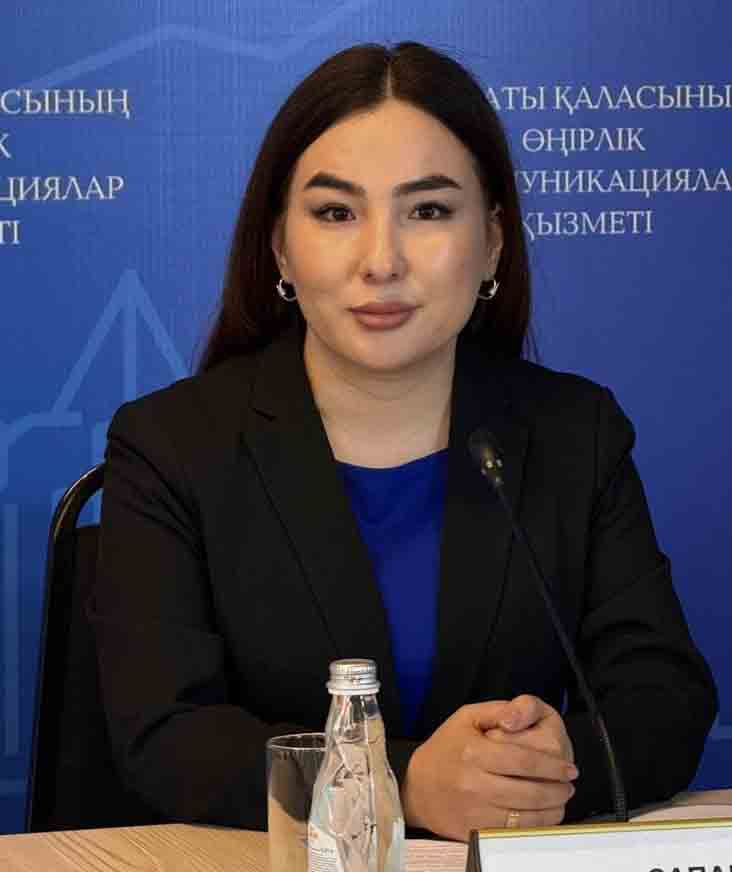
Gulshara SAPAROVA,
Executive Director of the Union of Crisis Centers of Kazakhstan
(Legal Entity Association), Lawyer at the State Municipal
Enterprise "Crisis Center 'Zhan-Saya'"
Comments powered by CComment