

According to data from the Committee on Legal Statistics and Special Records of the Prosecutor General's Office of the Republic of Kazakhstan, in 2025, 199 minors took their own lives in the country, of which 64 children were between the ages of five and 14. This figure exceeded the previous year's level by 13.7 percent, reversing a nascent downward trend. The number of registered suicide attempts among adolescents amounted to approximately 405 cases. In the first quarter of 2026, the upward trend persisted.
Suicidal behavior among children and adolescents represents one of the most alarming socio-legal issues of our time. Kazakhstan, which has been consistently implementing a policy to protect children's rights based on the 1989 UN Convention on the Rights of the Child and national legislation, nevertheless continues to record high rates of suicide mortality in the child and adolescent age group. This situation indicates the presence of systemic deficiencies in the mechanisms of legal protection and socio-psychological support for minors.
The gender dimension of suicidal behavior deserves particular attention. Completed suicides are recorded approximately twice as often among males as among females, whereas suicide attempts, by contrast, are more prevalent among girls. This pattern is explained, in part, by greater impulsivity and a tendency to employ more lethal methods among boys, while girls' suicide attempts often take the form of a cry for help and are accompanied by a more pronounced fear of irreversible consequences.
It must be acknowledged that official statistics likely do not fully reflect the real situation: some cases go unrecorded as suicides for social and other reasons. This circumstance further underscores the urgency of systematic monitoring and interagency collaboration in this area.
According to a number of domestic and foreign studies, between 60 and 62 percent of cases of suicidal behavior among minors are linked, in one way or another, to a dysfunctional family environment: family conflicts, physical or psychological abuse, emotional neglect, and parents' work commitments to the detriment of their parenting role. Physical and psychological abuse leaves a profound destructive mark on a child's personal development, significantly increasing the risk of suicidal manifestations during adolescence. It should be emphasized that, in accordance with Article 10 of the Law of the Republic of Kazakhstan "On the Rights of the Child," the state is obliged to protect children from all forms of violence – physical, psychological, and sexual. Systematic failure to fulfill this obligation entails legal liability.
From the perspective of legal scholarship, it should be noted that the Republic of Kazakhstan possesses a sufficient legal and regulatory framework in the field of child protection. The UN Convention on the Rights of the Child (ratified by Kazakhstan in 1994), in Article 6, enshrines every child's right to life, and in Article 19, the right to protection from all forms of violence. The Law of the Republic of Kazakhstan "On the Rights of the Child," as well as the approved Roadmap through 2028, provide a systematic programmatic foundation for state policy in this area.
The Criminal Code of the Republic of Kazakhstan establishes criminal liability for driving a person to suicide (Article 105 of the Criminal Code). Liability for improper fulfillment of parental duties is provided for by the Code of Administrative Offenses.
At the same time, I believe it is necessary to honestly acknowledge that the gap between the letter of the law and law enforcement practice is significant. The chronic shortage of school psychologists, weak interagency coordination among education, healthcare, police, and local executive bodies (akimats), and insufficient funding for crisis psychological assistance centers in the regions – all of these obstacles prevent regulatory provisions from translating into a genuine protective mechanism.
Suicidal behavior among children and adolescents is an incontrovertible indicator of systemic dysfunctions within the institutions of family, education, social protection, and legal regulation. An analysis of statistics and practice demonstrates that the majority of such tragedies could have been prevented with timely attention and professional intervention.
The Republic of Kazakhstan has the necessary normative foundation and political will to counteract this phenomenon. The key task remains the transformation of declarative norms into effectively functioning protective mechanisms. This requires not only state investment in the infrastructure of psychological assistance but also a profound shift in public attitudes toward children's mental health issues.
As a lawyer, researcher, and citizen, I am convinced that a sustainable reduction in suicidality among children and adolescents is achievable exclusively through the genuine integration of legal, psychological, pedagogical, and social protection mechanisms. The law must be a living instrument, not an archival artifact.
Every child's life possesses unconditional value. Our shared task is to ensure that every young citizen of Kazakhstan grows up in an environment of safety, understanding, and hope.
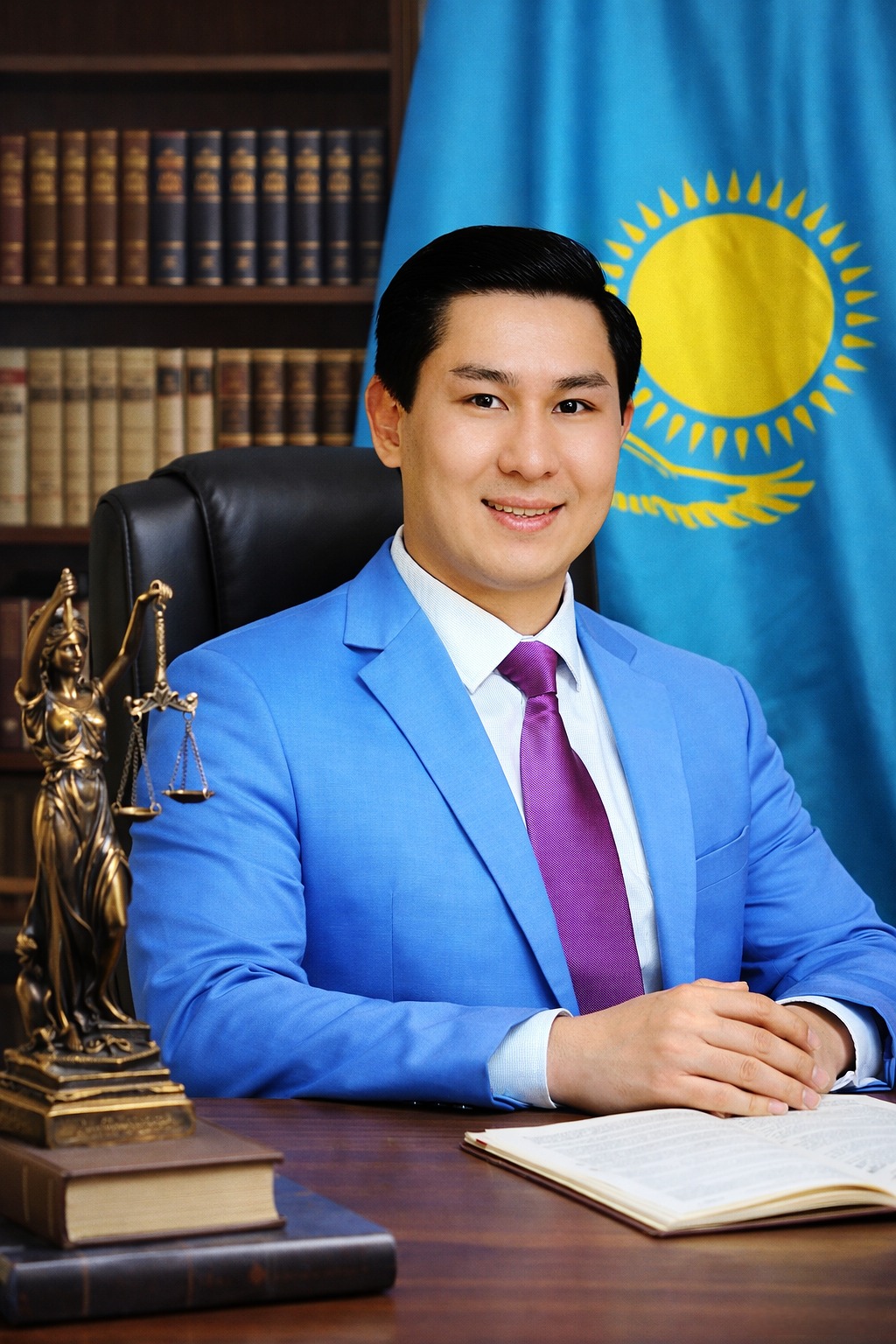
Alimzhan AYDARBEKOV,
President of the "SOFIA" Consulting Legal Agency,
Member of the "EGIDA" Chamber of Legal Consultants,
Master of Legal Sciences, Mediator
Comments powered by CComment