


WHAT MAKES US HAPPIER?
04-09-2026
272
1
Man is perhaps the only creature for whom it is not enough to be happy – he also needs to know whether he is happy.
Man is perhaps the only creature for whom it is not enough to be happy – he also needs to know whether he is happy.
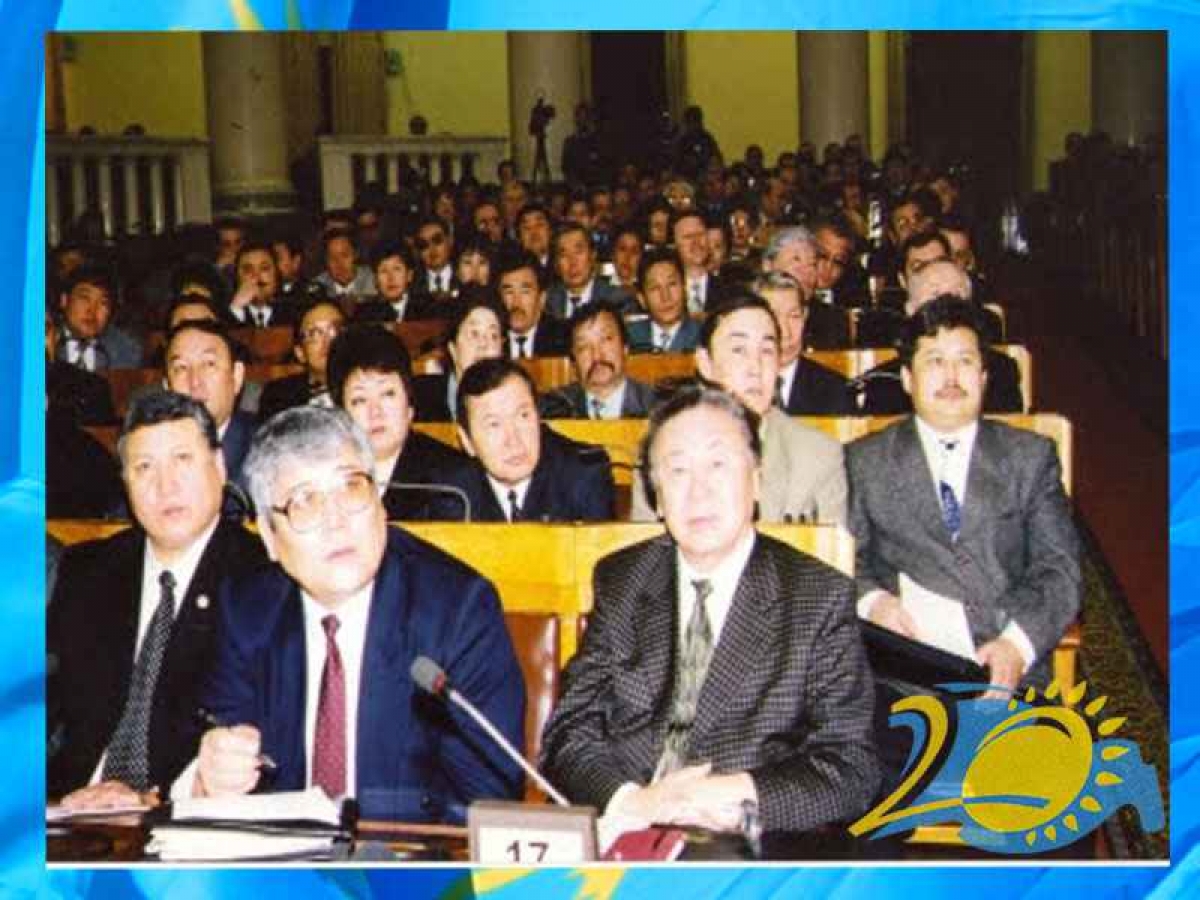
On January 25, 1999, the Second Congress of Judges of the Republic of Kazakhstan was held in Almaty. Its historic mission was to mark the transition from the institutional formation of the judicial community to a substantive reform of the judicial system, with an emphasis on its independence, specialization, and openness to society.

When a loved one passes away, their property is divided among relatives. But what happens if a son or daughter died before their parents? Do grandchildren lose their right to inherit from their grandparents?

The Almaty City Court is working on the creation of a historical museum dedicated to the formation of justice in the city of Almaty.

When a person learns that they are entitled to an inheritance, they most often think about property: an apartment, house, land plot, car, bank account, or business share.
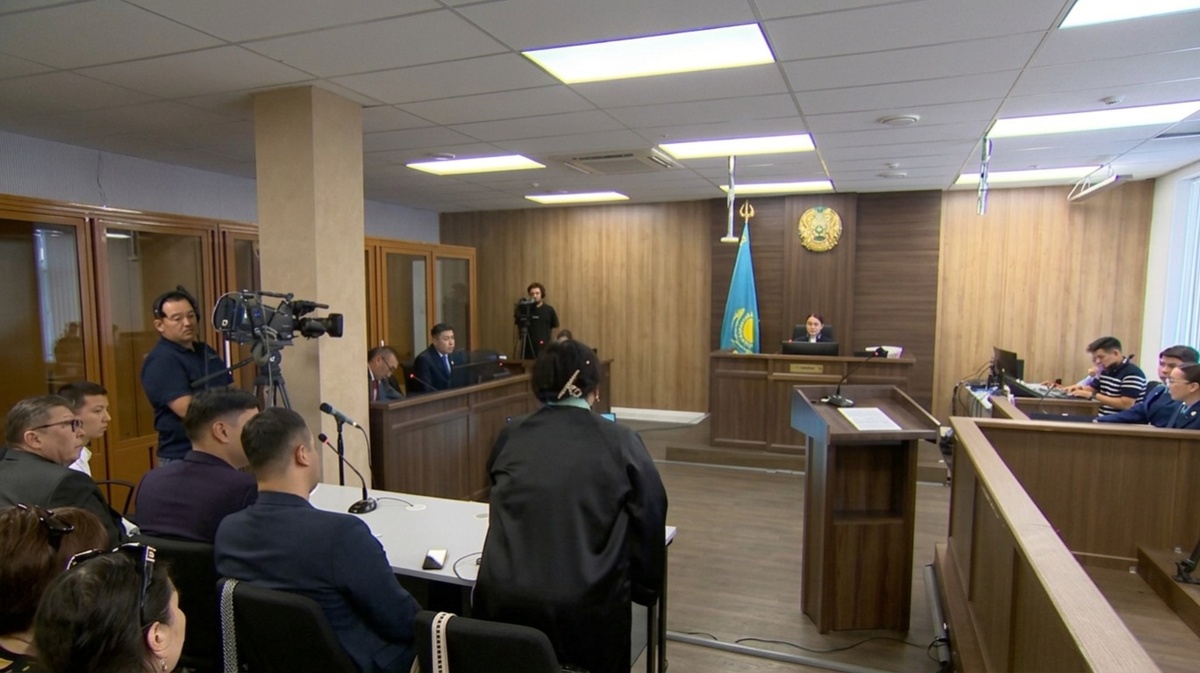
The last shift of paramedic Uldana Myrzuan ended in tragedy, the circumstances of which are now being examined by the court. The 23‑year‑old emergency medical technician sustained severe injuries while providing aid to victims and died in hospital ten days later.

According to data from the Committee on Legal Statistics and Special Records of the Prosecutor General's Office of the Republic of Kazakhstan, in 2025, 199 minors took their own lives in the country, of which 64 children were between the ages of five and 14.

"This is my property. I have the right to dispose of it as I see fit." This is how many people reason when they turn to a notary to draw up a will.

The state imposes high requirements on virtually all professions upon which the well-being of society and the effectiveness of public administration depend.

After the death of a loved one, relatives often have to make difficult decisions. Some believe they do not need the property, others wish to cede the inheritance to a brother or sister, and some, while in a state of emotional distress, sign a renunciation without fully understanding its legal consequences.
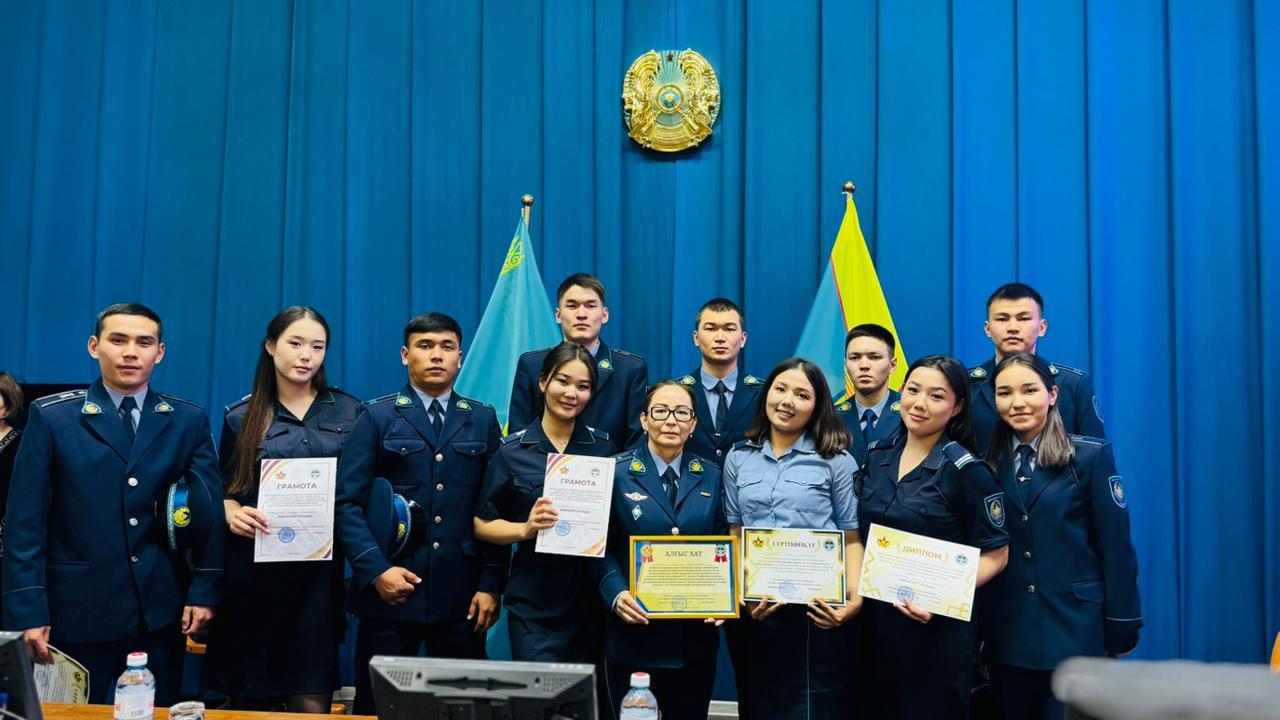
The modern development of digital technologies is radically transforming the requirements for the law enforcement training system.

After the death of a loved one, relatives often try to finalise the inheritance as quickly as possible. The documents are gathered, the heirs have no disputes among themselves, and the estate is known. It would seem there are no obstacles at all.

For a long time, Kazakhstani legislation lacked the very concept of stalking as an independent unlawful act.
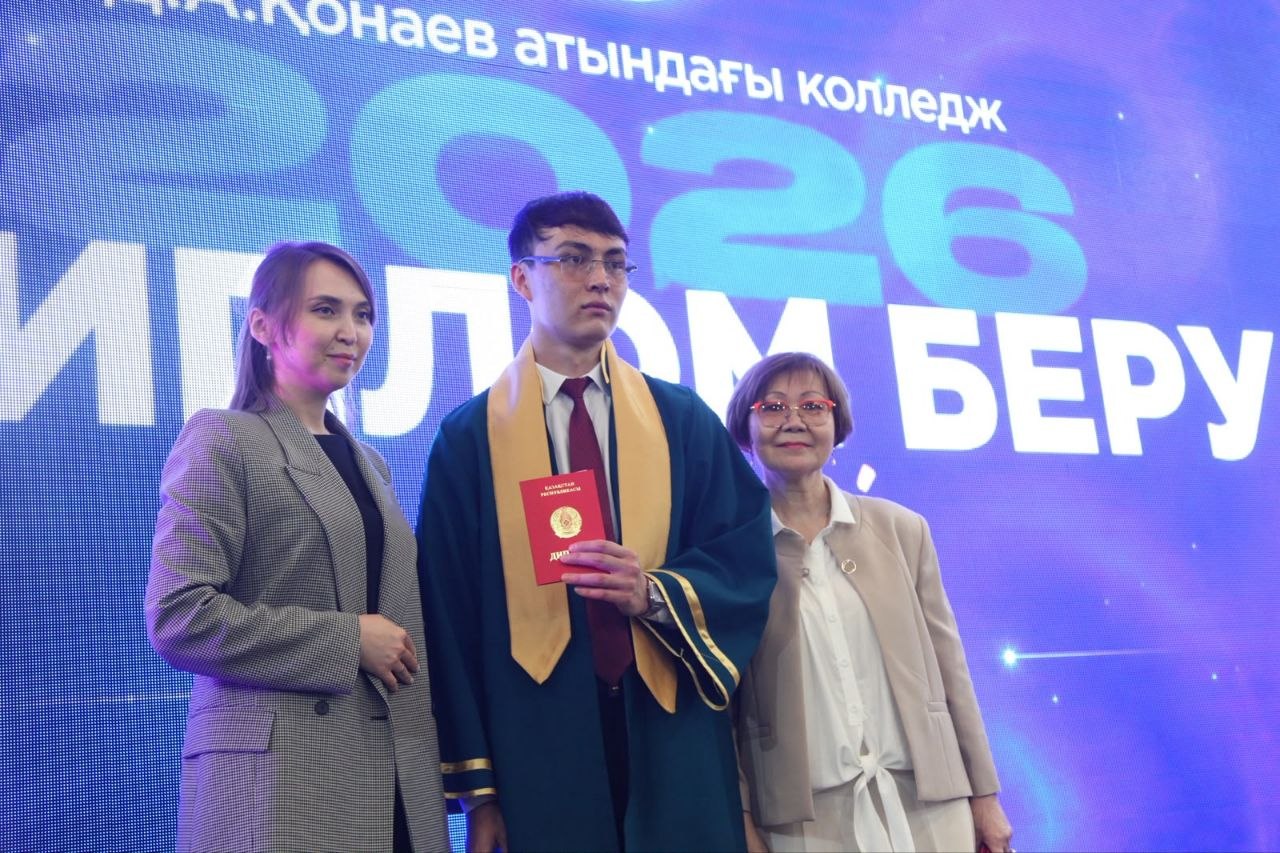
The training of qualified personnel for the judicial system is one of the key priorities of the Department of the Judicial Administration of Almaty.